
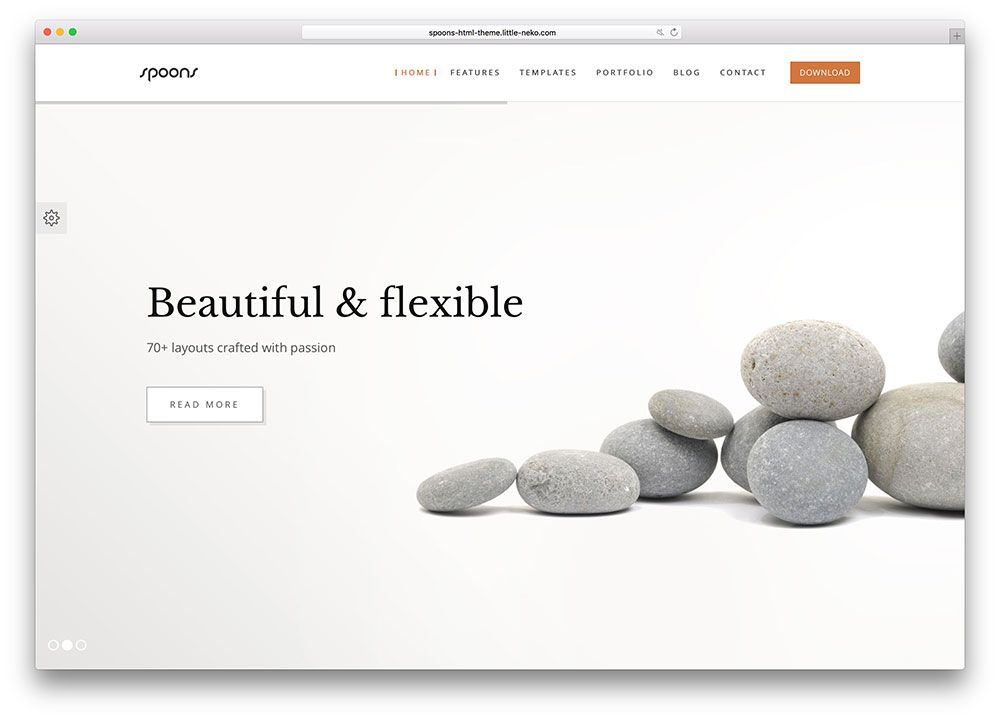
Why Less is More in Web Design?
In a digital world filled with endless scrolling, notifications, and information overload, users are beginning to value something different and its simplicity. This is why minimal web design continues to grow as one of the most powerful web design trends in 2026.
Minimalism is no longer just about making websites “look clean.” It has evolved into a smart design approach that focuses on clarity, speed, accessibility, and user experience. Businesses today understand that users do not want complicated websites with too many distractions. Instead, they prefer websites that are fast, visually balanced, and easy to navigate.
As technology continues to evolve, minimal web design is becoming the future of modern digital experiences.
What Is Minimal Web Design?
Minimal web design is a design style that removes unnecessary elements and focuses only on what truly matters. Instead of crowded layouts, flashy animations, and excessive content, minimal websites prioritize simplicity and functionality.
The goal is to create a seamless user experience where visitors can quickly find information without confusion or distraction. Every element on the page from colors and fonts to buttons and images; serves a clear purpose.
In 2026, minimal design is not “empty” design. It is intentional design.
Why Minimal Web Design Is Growing in 2026
- Faster Website Performance
Speed has become one of the most important factors in user experience and SEO. People expect websites to load within seconds, especially on mobile devices.
Minimal websites use fewer heavy elements, unnecessary scripts, and cluttered visuals, which improves loading speed significantly. Faster websites not only keep visitors engaged but also rank better on search engines.
- Better Mobile Experience
Most internet users now browse websites through smartphones. Minimal web design naturally supports mobile-first experiences because of its clean structure and simplified layouts.
Instead of overwhelming users with too many sections, modern minimal websites focus on smooth scrolling, readable content, and easy navigation across all screen sizes.
Responsive minimal design ensures that websites look professional and function perfectly on desktops, tablets, and mobile devices.
- Improved User Experience
Minimalism helps users focus on important information without distractions. When a website is clean and organized, visitors can easily understand the message, explore products, or complete actions like purchasing or contacting a business.
In 2026, user experience is one of the biggest priorities in web design. Businesses now realize that simple navigation and clear layouts improve customer satisfaction and increase conversions.
Sometimes, less truly becomes more.
Key Elements of Minimal Web Design in 2026
Clean Typography
Typography plays a major role in minimal design. Modern websites use bold headings, readable fonts, and proper spacing to create visual balance.
Designers are choosing elegant sans-serif fonts and strong typographic hierarchy to guide users naturally through content.
White Space and Balance
White space, also called negative space, is one of the defining features of minimal design. Instead of filling every section with content, designers allow breathing room between elements.
This creates a more professional and visually calming experience for users.
Soft and Neutral Color Palettes
In 2026, many minimal websites use soft neutrals, earthy tones, muted gradients, and monochromatic themes. These colors create a modern and premium appearance while reducing visual stress.
Brands are moving away from overly bright and chaotic designs toward calmer digital environments.
Subtle Animations
Minimalism does not mean websites must feel boring. Subtle animations, hover effects, and smooth transitions are widely used to create interaction without overwhelming the user.
Micro-interactions help websites feel modern while maintaining simplicity.
Purpose-Driven Design
Every design element in minimal websites serves a purpose. Instead of adding features just for decoration, businesses are focusing on functionality, accessibility, and clarity.
This approach creates websites that are both beautiful and practical.
Challenges of Minimal Web Design
Even though minimalism offers many benefits, it also comes with challenges. Designing a simple website requires careful planning and creativity.
Too much simplicity can sometimes make a website feel empty or lack personality. Designers must find the right balance between clean design and meaningful branding.
The Future of Minimal Web Design
As digital experiences become more advanced, minimal design will continue evolving alongside technology. AI-powered personalization, voice-friendly interfaces, dark mode optimization, and accessible design practices will shape the next generation of minimal websites.
Businesses are increasingly understanding that users value clarity, speed, and simplicity more than excessive visual effects. In the coming years, websites that feel effortless to use will stand out the most.
To sum up
Minimal web design in 2026 reflects the changing needs of modern internet users. People want websites that are fast, easy to use, visually balanced, and focused on delivering value without unnecessary distractions.
By combining simplicity with functionality, minimal design helps businesses create stronger user experiences, improve SEO performance, and build modern digital identities.
As technology continues to evolve, one thing remains clear: the future of web design is not about adding more; it is about designing smarter with less.